During their studies in Sweden, Manon Portera and Valentine Odermatt laid the foundations for their collaboration. While deepening their respective field of expertise – material resources for Manon and lighting for Valentine – they already shared the same intention: rethinking the traditional practices in interior architecture in order to work mainly with existing resources. Returning to Switzerland, they founded in 2019 the interior architecture studio apropå. The tone was set with this Swedish word that invites us to reflect on the context and the origin of its subject.
Their shared values and convictions have led them to take a new approach to interior architecture. Yet, in order to build with existing materials, the sourcing process must be adapted. While this approach may seem like a treasure hunt at first glance, apropå has established an efficient work method and sourcing network.
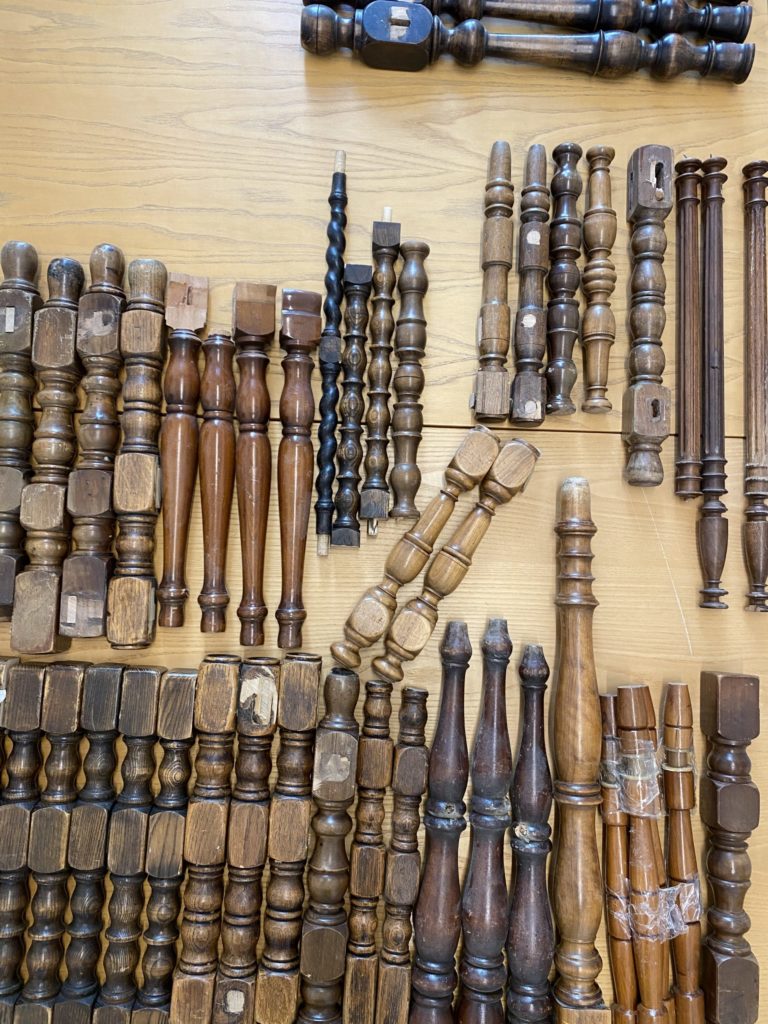
For each project, apropå gives priority to existing materials that can be reused to design new pieces of furniture. After defining the creative guidelines, Manon Portera and Valentine Odermatt set out to find the necessary pieces. In this approach, constraints guide the design choices, without compromising on aesthetics. The final plans are adapted to the sourced elements, which are given a new life thanks to artisanal expertise. All bespoke creations highlight the essence of the material, whether it be chair legs used as bookshelf uprights or glass bricks turned into a bar.
With a keen ability to see the potential in each element, both interior architects source the material to reuse methodically. Whenever possible, they choose materials already on site, then conduct their research in local reuse centres, with partners to get surplus orders from construction sites, and sometimes from private individuals. True to their approach, they gather just the needed elements for each project in order to avoid storing unnecessary inventory.
While focusing on reused materials, they also carefully select a few new pieces of furniture for their projects. Every material, whether new or reused, is assessed from a circular perspective. “We consider each piece beyond its traditional life cycle. With a sustainable mindset, it is essential to consider its afterlife: can it be reused, transformed or recycled?”
May it be for residential interiors, commercial spaces or scenography, apropå applies its method regardless of the project type or scale. Each space is designed as a whole. The delicate work of materiality is complemented by a bespoke lighting concept. To highlight each space, apropå relies on natural light, supplemented by additional artificial lighting when necessary. Everything is designed to create a pleasant living space.
This year, apropå will unveil among others, a new interior project for the Cultural Centre La Concorde and an associative space dedicated to women.
Encouraging an approach that respects our planet’s limited resources, Manon Portera and Valentine Odermatt are sharing their vision and working method to the next generation of interior designers at HEAD–Genève.
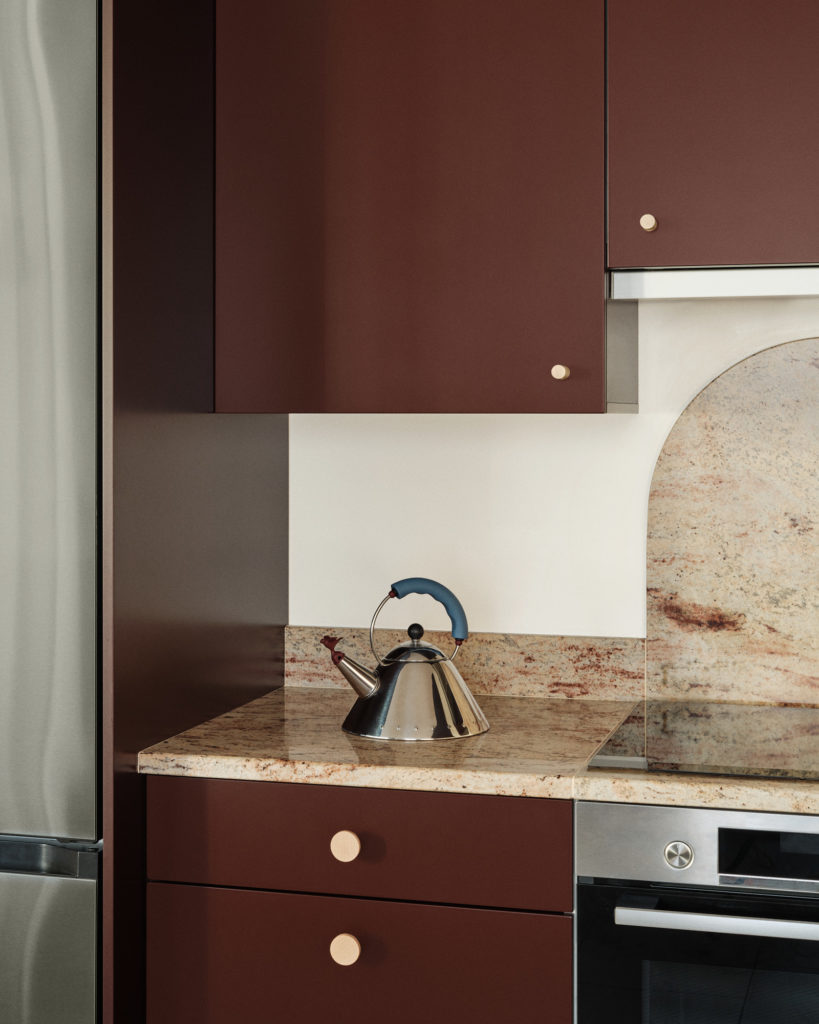
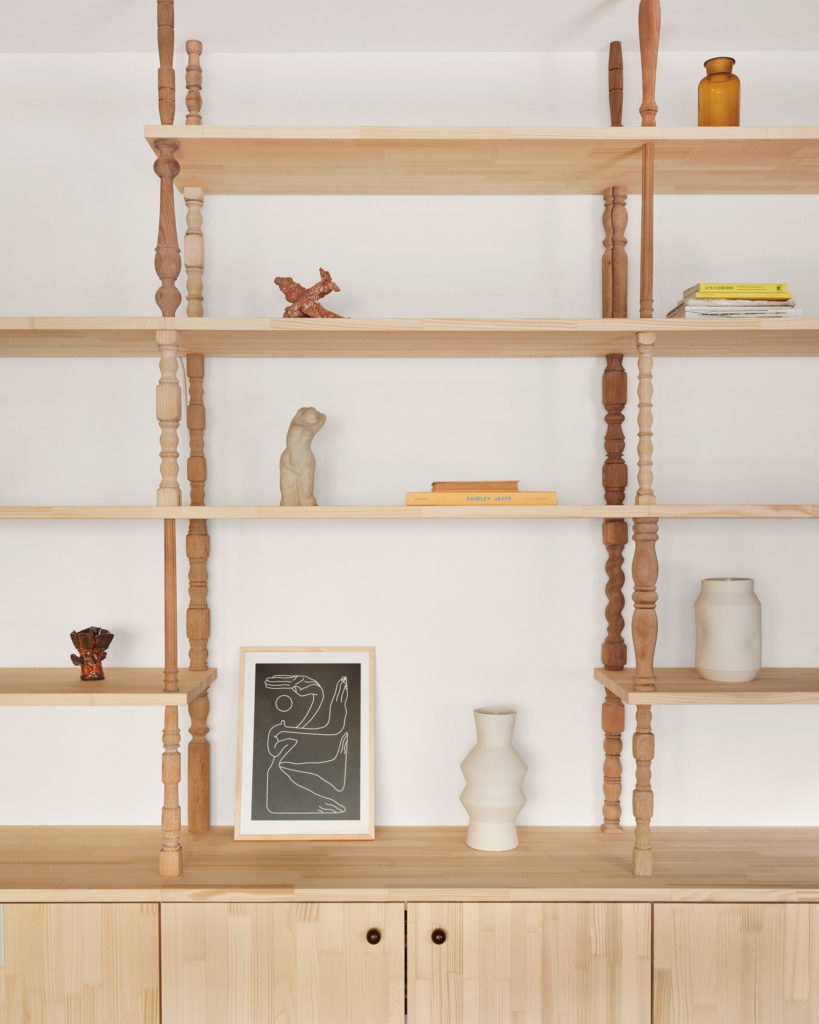
Apartment
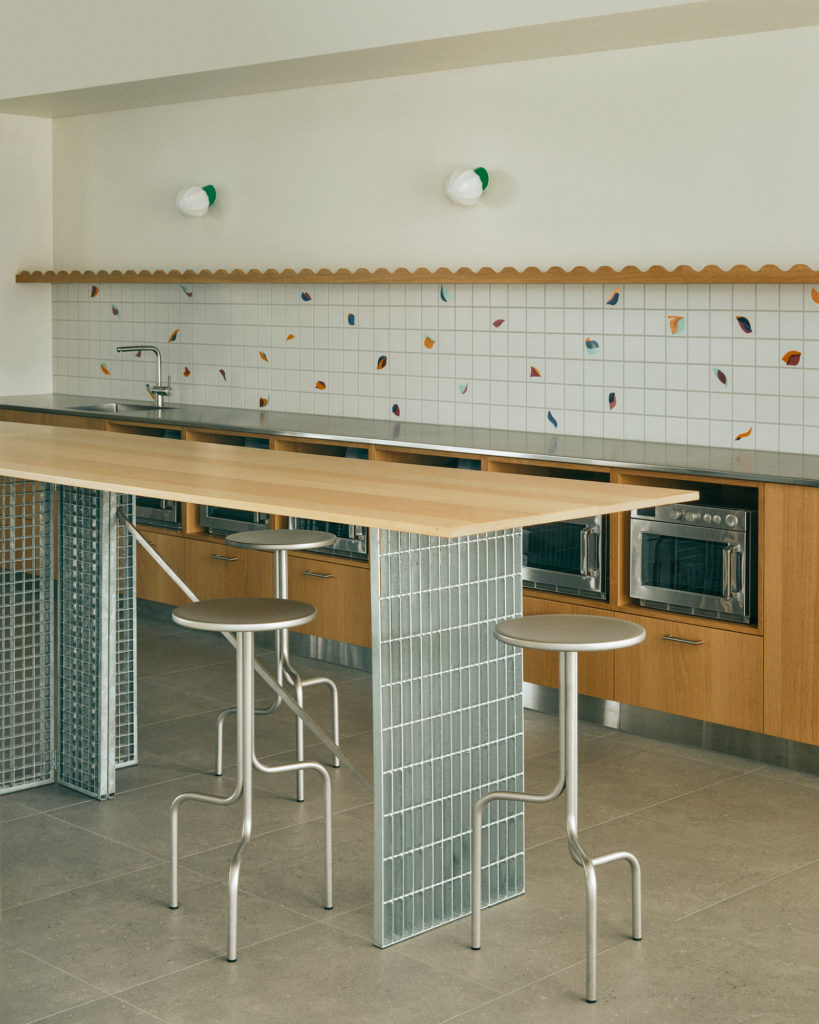
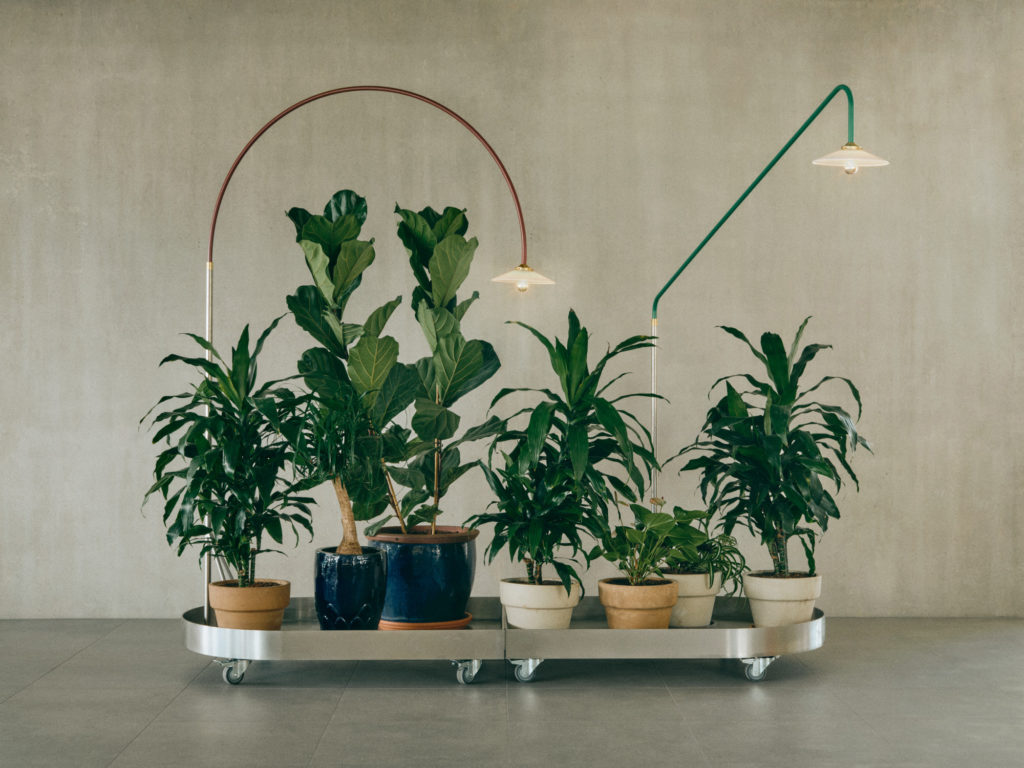
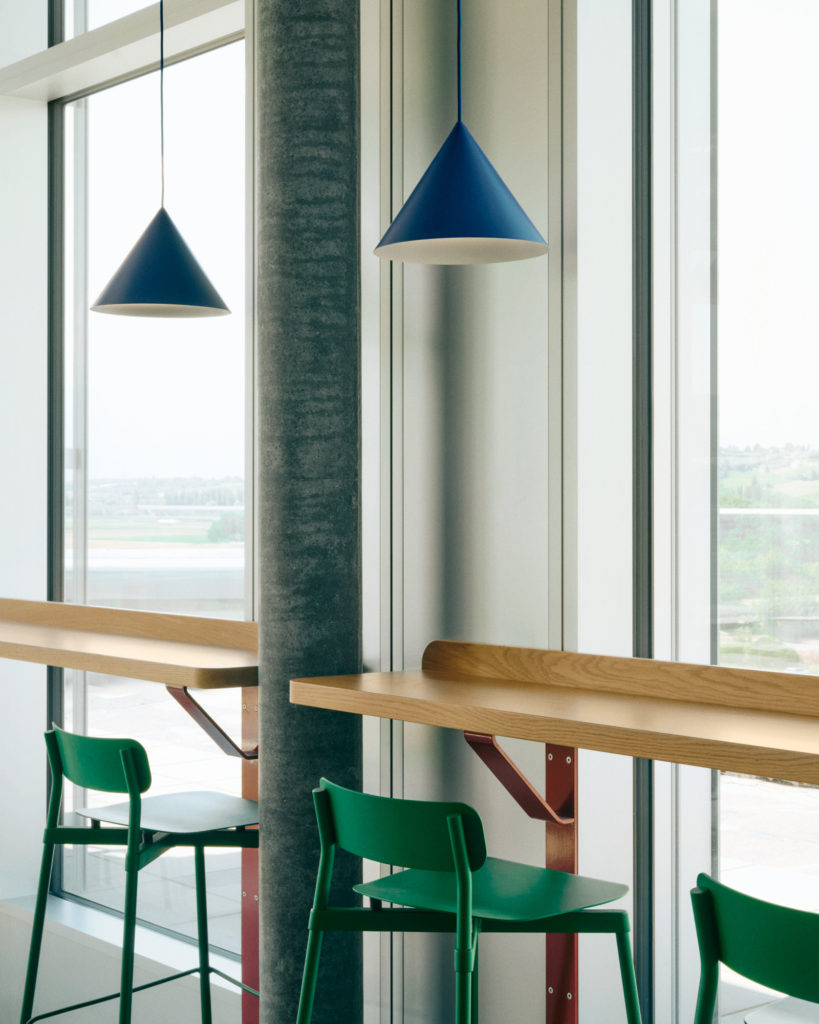
 The Foodcourt led in collaboration with the Brodbeck Roulet architects.
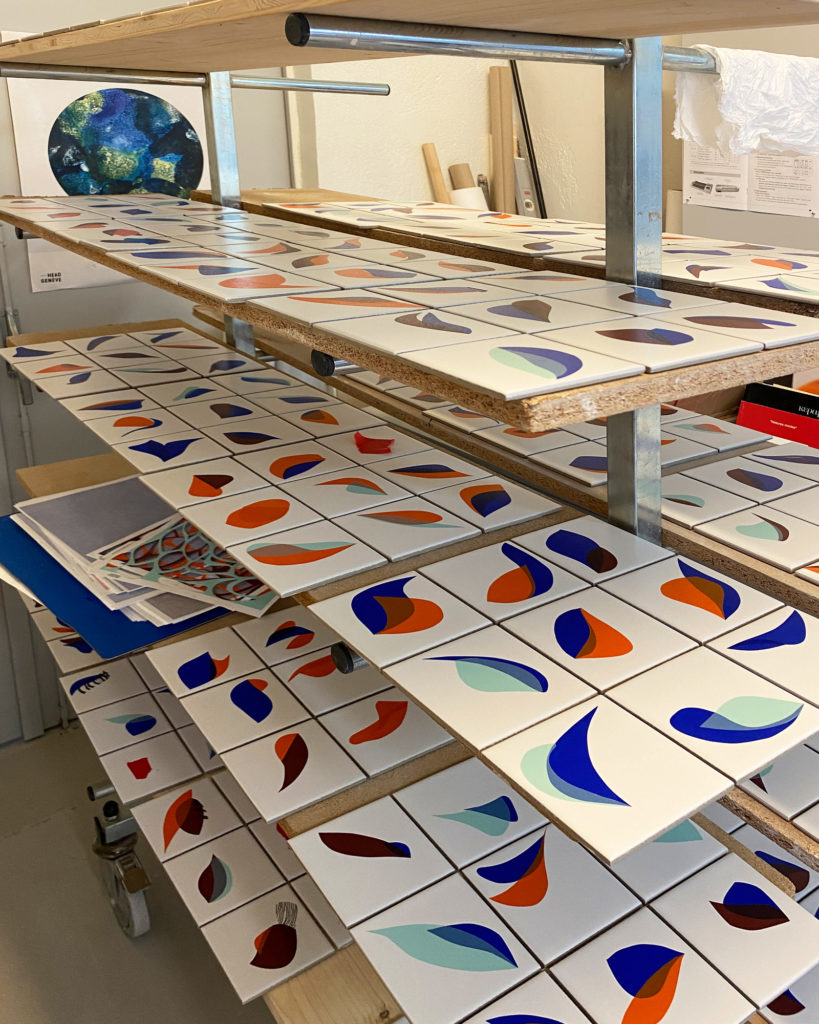
The tiles have been created in collaboration with Gabrielle Rossier.
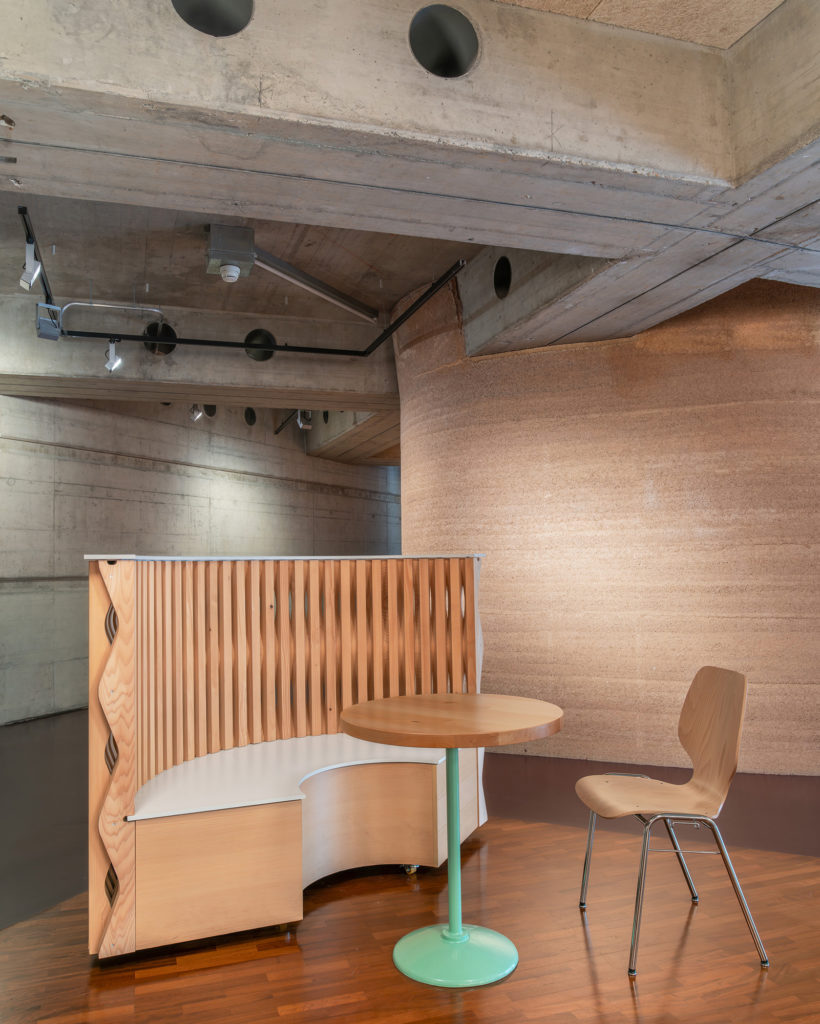
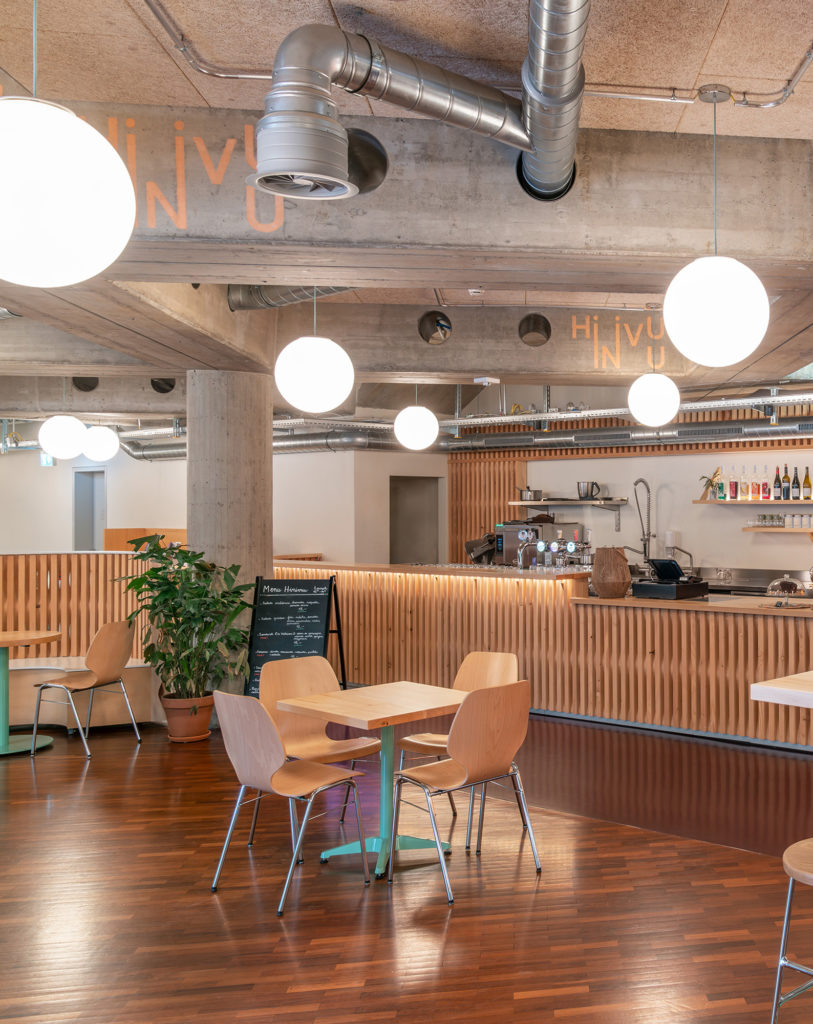
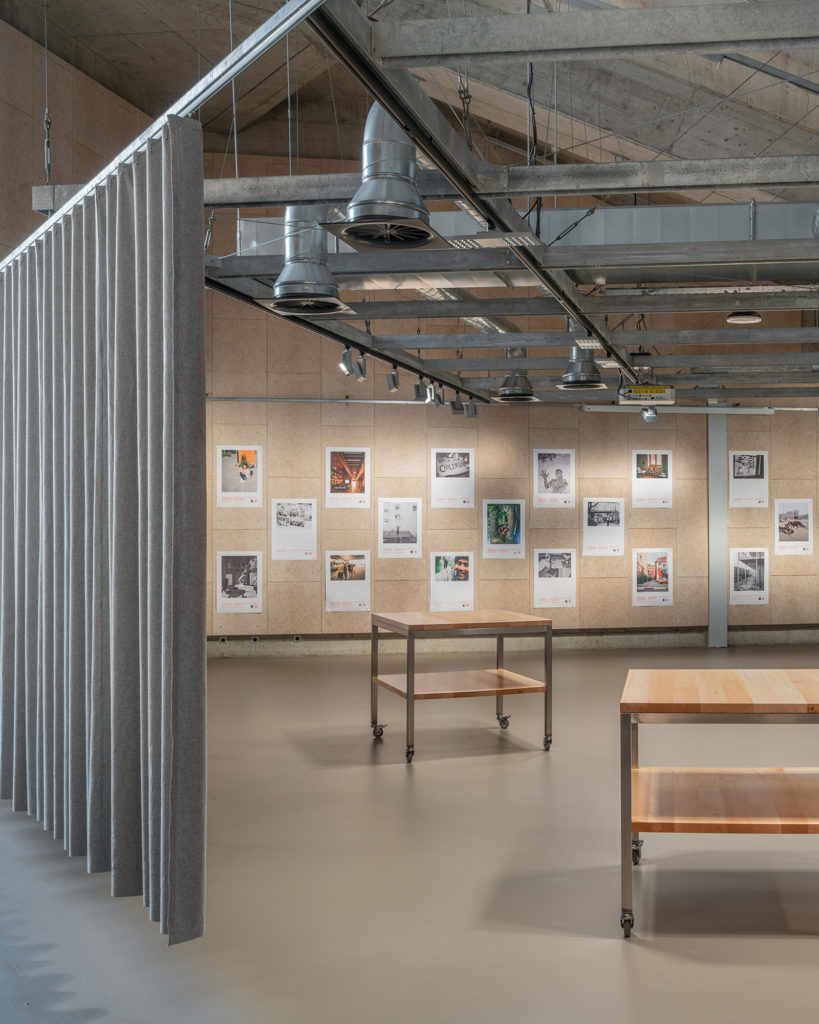
International Red Cross and Red Crescent Museum
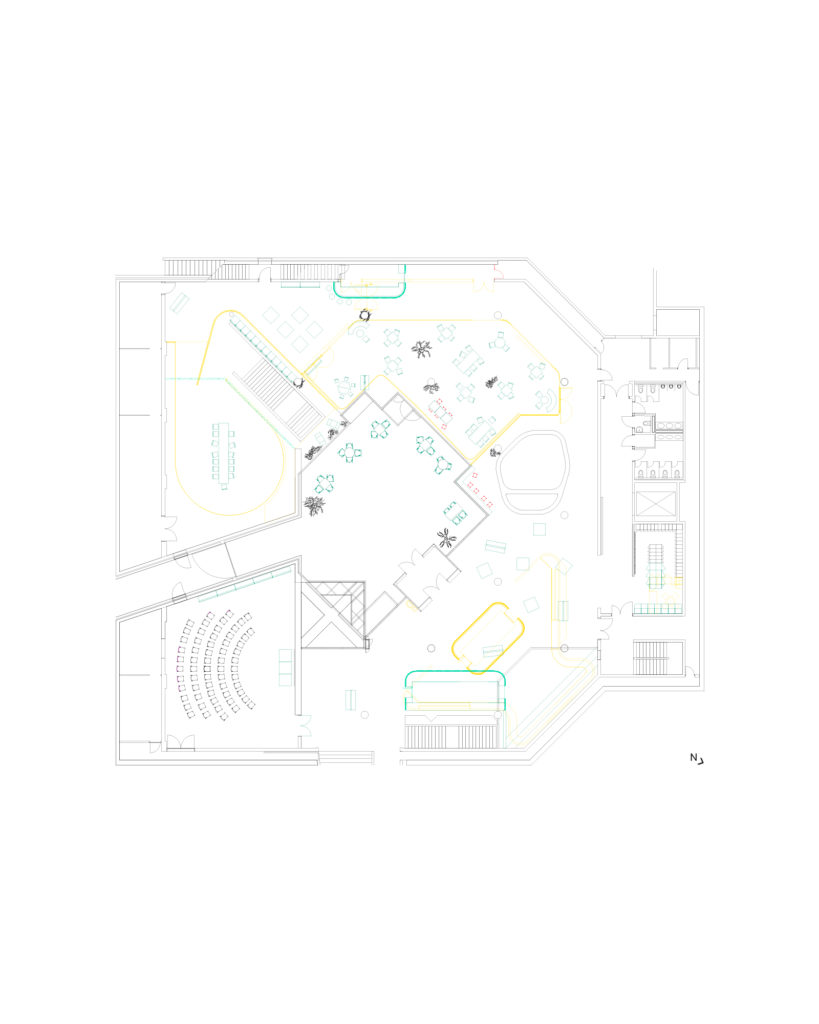
In green on the plan, all elements made with reused materials.
Geraldine Morand
Alicia Dubuis
Alicia Dubuis for the apartment and the foodcourt
Martin Zeller for the Red Cross and Red Crescent Museum
apropå